Series: AI, Law & Talent — Part 1 The $50 Billion Lawsuit Wave: Why AI Hiring Is the New Asbestos
The Landmark Ruling That Changed Everything
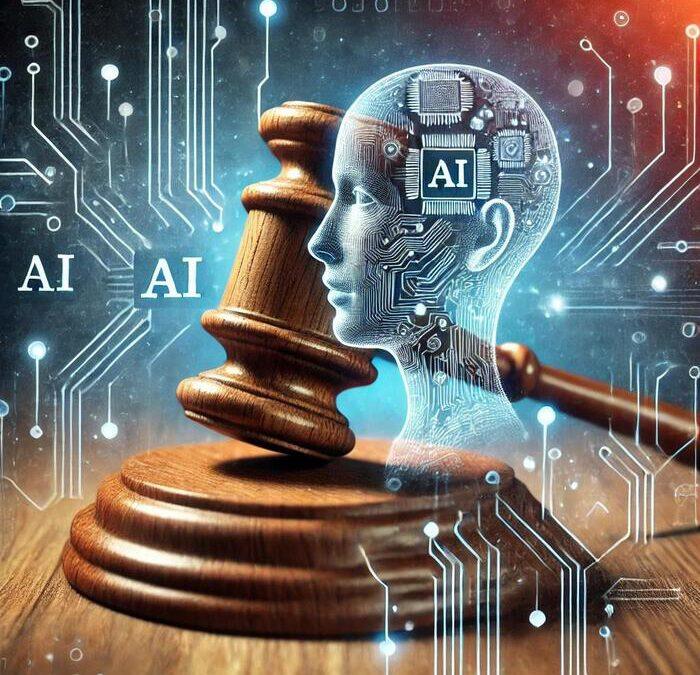
This isn’t just another employment discrimination case. Legal experts are already calling it the opening salvo of a decades-long wave of class action lawsuits involving AI recruitment platforms and AI-powered applicant screening systems, sometimes compared to the ‘new asbestos litigation.
On May 16, 2025, Judge Rita F. Lin of the U.S. District Court for the Northern District of California issued a decision that sent shockwaves through HR and corporate governance: she certified a nationwide collective action in a high-profile AI hiring bias case, allowing millions of applicants aged 40 and over to join the lawsuit. (JDSupra)
This isn’t just another employment discrimination case. Legal experts are already calling it the opening salvo of a decades-long wave of class action lawsuits involving AI recruitment platforms, sometimes compared to the “new asbestos litigation.” (JDSupra)
Why are the stakes so high? Conservative estimates suggest industry-wide exposure could reach tens or even hundreds of billions of dollars over the next several years — and this may be just the beginning.
What Happened: The Case That Broke the Dam
In February 2023, a plaintiff — a Black professional over 40 who also suffers from anxiety and depression — filed a lawsuit claiming he applied to more than 100 positions through an AI-powered applicant tracking system (ATS), only to be rejected every single time without receiving an interview. The alleged reasons were age, race, and disability discrimination embedded in the AI algorithms.
What makes this case groundbreaking? The court ruled that the AI software provider itself — not just the hiring employers — could be held liable as an “agent” under federal anti-discrimination law. Legal analysts note that Judge Lin emphasized:
“The AI’s role in the hiring process is no less significant because it allegedly happens through artificial intelligence rather than a live human being… Drawing an artificial distinction between software decision-makers and human decision-makers would potentially gut anti-discrimination laws in the modern era.” (Quinn Emanuel)
In short: if an AI tool discriminates, both the vendor and the employer could be liable — you can’t hide behind “the software made the decision.”
The $25 Billion Question: How Many Plaintiffs?
The lawsuit now covers applicants aged 40 and over who were denied employment recommendations through AI-powered hiring platforms since September 2020 — potentially millions of people.
Conservative estimates suggest:
- 500,000 affected applicants (likely a significant underestimate)
- $50,000 average damages per plaintiff (based on typical age discrimination settlements)
- Total potential industry exposure: $25 BILLION
And here’s the striking part: this is just one type of AI vendor. Thousands of companies use similar AI screening tools from a variety of providers.
According to ClassAction.org, at least five major AI hiring discrimination lawsuits were filed or certified in 2024–2025 alone — and plaintiff attorneys continue actively recruiting additional claimants.
The Copycat Effect: Three More Lawsuits You Need to Know
According to the American Bar Association, recent cases demonstrate that AI-powered hiring tools can unintentionally reproduce bias against underrepresented or marginalized groups. Legal analysts note that even unintentional bias can lead to significant liability under employment law.
Case 1: Video Interview Platforms (2025)
A complaint filed in Colorado alleged that a video interview AI platform — analyzing facial expressions and speech patterns — discriminated against a candidate with a disability. Research cited in the complaint indicates that automated speech and facial recognition systems often perform worse for individuals who speak English with non-white accents or who have atypical speech or facial expression patterns.
Why this matters: Organizations using such AI tools may face legal and ethical risks if these systems disadvantage certain linguistic, cultural, or disability groups.
Case 2: Employment Screening & Video Assessments (2024)
Another action concerned an AI-powered video assessment tool that evaluated candidates based on facial expressions and assigned personality or employability scores, raising concerns under state employment law.
Lesson learned: Even settlements without formal findings signal that companies may be exposed to liability if their AI tools’ decision-making processes are opaque or biased.
Case 3: Age Bias in Automated Screening (2023)
A settlement was reached where an AI recruitment system allegedly filtered candidates based on age thresholds, impacting over 200 applicants. While this involved intentional programming, most AI bias occurs unintentionally due to biased training data. Courts often treat unintentional bias the same as intentional discrimination under disparate impact theory.
Key takeaway: As highlighted in the ABA report and analyses from sources like Wagner Law Group, AI can introduce or amplify bias in hiring even when companies do not intend to discriminate. Transparency, auditing, and explainability are essential to mitigate legal and ethical risk.
Why This Is Different From Normal Employment Lawsuits
Traditional discrimination lawsuits are often difficult to win: plaintiffs must demonstrate that a human decision‑maker acted with discriminatory intent — which quickly becomes a matter of “he said / she said.”
But when recruitment decisions are made by opaque AI hiring software or automated candidate screening tools, the dynamics change:
- Applicant: “The algorithm rejected me — I want to know why.”
- Company: “We don’t know — the AI decided.”
- Court or Regulator: “You can’t explain your own hiring decisions? That lack of transparency can itself be evidence of systemic bias.”
According to the University of Washington, large‑scale AI screening tools can unintentionally reproduce bias: in a study where identical résumés only differed by the candidate’s name, systems preferred “white‑associated” names 85% of the time and “Black‑associated” names only 9%.
Legal analysts also warn that, as highlighted by the American Bar Association, the “black box” nature of many AI hiring tools makes it extremely challenging for companies to explain decisions — which can create a significant exposure to employment discrimination claims.
The Double Exposure: Layoffs + AI = Lawsuit Magnet
This scenario highlights the critical need for transparent AI recruitment tools and explainable AI in hiring to avoid becoming the next target for AI bias lawsuits.
A recurring pattern is emerging in employment litigation related to AI:
- A company conducts mass layoffs.
- Months later, it starts rehiring.
- Former employees apply via AI-powered applicant tracking systems (ATS).
- Black-box algorithms automatically reject certain applicants.
- Plaintiff attorneys file class actions alleging discrimination based on age, race, or disability.
This scenario is increasingly common in tech and corporate sectors. Research on AI-driven outplacement and rehiring shows that companies using opaque AI for screening are exposed to double legal risk — both for their layoff and rehiring practices. According to Visier Analytics, approximately 5% of laid-off workers are rehired by the same employer, which can create a pool of potential plaintiffs if the AI rejects them unfairly.
The Law Firm Gold Rush: Attorneys Are Building AI Practices
Specialized employment law firms are increasingly developing AI-focused practices, recruiting former employees for class actions. Their argument often highlights:
“If an AI algorithm rejects candidates without transparency or fairness, both the employer and the software provider may face liability.”
Why this approach is effective:
- Sympathetic plaintiffs: Former employees who followed proper procedures yet were rejected make strong witnesses.
- Devastating discovery: Companies often cannot explain AI decision-making.
- Massive class sizes: Hundreds or thousands of applicants can join one lawsuit.
A recent survey indicates that roughly 70% of companies allow AI tools to reject candidates with minimal human oversight, which creates fertile ground for potential litigation (American Bar Association, 2024).
How Much Are These Lawsuits Worth?
While exact settlements vary, academic and industry reports highlight that AI-related discrimination lawsuits can result in significant exposure. Even a moderate class action settlement can dwarf traditional employment cases. The combination of large class sizes and opaque AI decision-making increases potential financial and reputational risk.
Are You Next? The High-Risk Profile
Companies are at higher risk if they:
- Conducted layoffs in recent years (2023–2025).
- Use AI/ATS for candidate screening without transparency.
- Cannot explain how AI makes decisions.
- Operate in high-regulation regions (e.g., NYC, California).
- Rejected former employees who are attempting to return.
Checking three or more of these boxes increases the likelihood of legal scrutiny within 12–18 months.
What Comes Next: The Regulatory Perfect Storm
Three converging regulatory trends make AI hiring lawsuits inevitable for many employers:
- Local transparency laws (e.g., NYC Local Law 144) requiring bias audits and candidate notifications.
- EU AI Act (2025) mandating transparency for AI hiring systems globally.
- EEOC evolving guidance on AI and employment discrimination.
Compliance is no longer optional, and fines can exceed the cost of lawsuits.
The Bottom Line: AIRA as the Solution
The companies best positioned to survive this wave are those that prioritize transparent AI scoring, explainable hiring decisions, and legal defensibility. This is where EDLIGO AIRA’s suite of AI recruitment agents makes a critical difference:
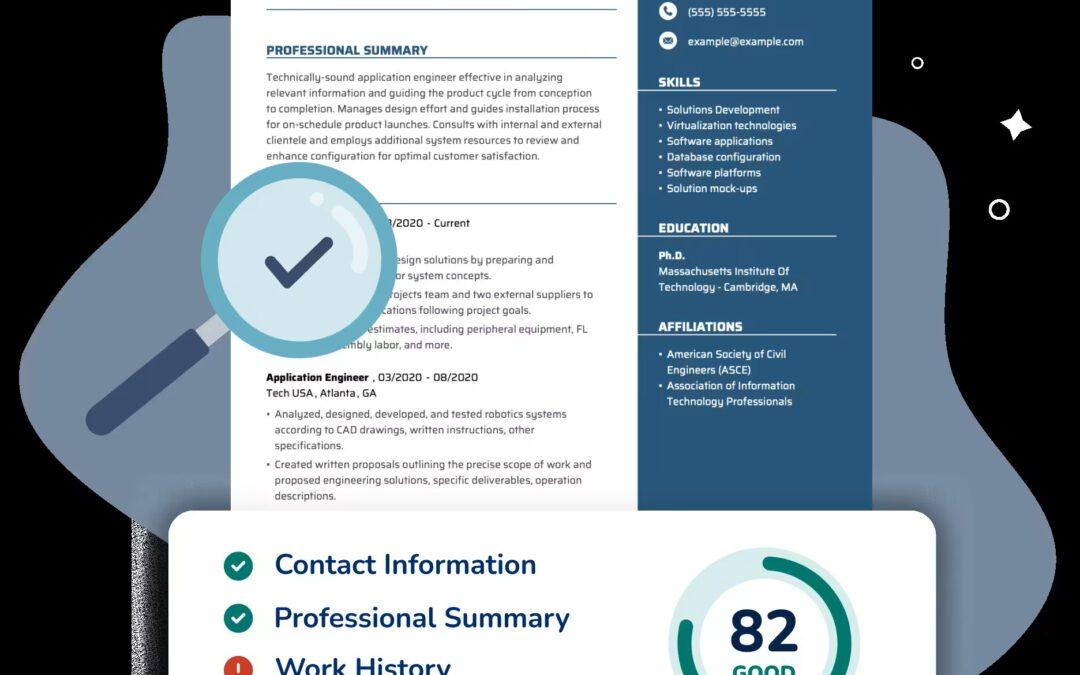
- AI-Resumes Analyzer& AI-Job Matching: Provides transparent scoring with clear reasoning for candidate ranking, ensuring ATS-friendly applications.
• AI-Interview Guide & Job Description Tools: Standardizes evaluations to reduce unconscious bias in hiring.
• Modular AI hiring platform: Businesses pay only for the features they need, achieving faster, fairer hiring with defensible AI decisions.
By democratizing intelligent, unbiased recruitment, AIRA protects companies from AI discrimination liability while improving candidate experience and hiring efficiency.
Take Action Now: Protect Your Hiring from AI Lawsuits
Is your AI hiring system ready to withstand legal scrutiny? The wave of AI employment discrimination cases is real—but companies can act proactively.
Here’s how EDLIGO AIRA helps:
- Free AI Compliance Assessment: Identify risks in your hiring process automation.
• Explainable AI Platform: Get full transparency on candidate scoringand standardized evaluation.
• Bias-Free Recruitment: Ensure fair AI screening that complies with NYC Local Law 144, EU AI Act, and EEOC guidance.
Why EDLIGO AIRA stands out:
- AI-powered applicant trackingwith clear decision rationale
- Career transition toolsfor outplacement services
- ATS resume checkerfor job seekers
- Automated yet transparent hiring workflows
Why act now?
- Avoid multi-million-dollar lawsuits.
- Ensure compliance with emerging AI hiring regulations (NYC Local Law 144, EU AI Act, EEOC guidance).
- Reduce bias and improve fairness, boosting candidate experience and employer brand.
- Demonstrate accountability to stakeholders, investors, and regulators.
📖 Read the Full Series
- Part 1: You are here
- Part 2: NYC Law 144 & EU AI Act: The Compliance Trap Catching Thousands of Companies
- Part 2: Explainable AI: The Only Legal Defense Against $50 Billion in Discrimination Lawsuits
🚀 Get Started Today
Who AIRA Helps — At Each Step of the Talent Lifecycle
👩💼 For HR Managers & Talent Leaders
AIRA delivers transparent, audit-ready hiring insights that turn AI-powered recruitment from a legal risk into a strategic advantage. Our explainable AI hiring platform provides:
- ✔Explainable scoring with clear decision rationale
- ✔Full audit trails for compliance with NYC Local Law 144 and EU AI Act
- ✔Bias reduction through standardized evaluation frameworks
- ✔Faster, fairer decisions with automated yet transparent screening
Transform your applicant tracking system with AI into a defensible recruitment tool that accelerates hiring while mitigating AI discrimination liability.
🏢 For Outplacement Firms & Career Transition Services
Leverage AIRA’s Career Transition AI to modernize your service offering and deliver measurable outcomes:
- ✔Personalized reskilling recommendations based on skill-gap analysis
- ✔AI-powered career pathing for displaced workers
- ✔Accelerated re-employment through intelligent job matching
- ✔Scalable workforce transition solutions
Provide cutting-edge career transition tools that differentiate your outplacement services and improve client success rates.
🧑💻 For Job Seekers
Access AIRA’s free AI resume analysis to navigate today’s AI-driven hiring landscape:
- ✔ Create ATS-friendly CVs that pass automated screening systems
- ✔ Get personalized role fit assessments and career discovery insights
- ✔ Receive actionable feedback to optimize your resume for AI
- ✔ Explore tailored career paths, especially valuable during career change at 40 or workforce re-entry
Turn the challenge of AI-powered applicant tracking into an advantage with transparent AI scoring and personalized guidance.
Learn More & Start for free → https://www.edligo.net/aira/