

Views: 31
Why Career Center Engagement Is Low in Universities
Career Services Are Not Embedded in the Student Journey
Most universities still treat career services as:
- optional support
- final-year activity
- external service
👉 Result: low adoption
Students Lack Immediate Incentives
Students think in short-term priorities:
- exams
- internships
- grades
Career planning feels “future-focused” → not urgent.
Traditional Models Do Not Scale Engagement
Career advisors cannot:
- proactively reach all students
- personalize communication
- provide continuous guidance
Step 1 — Make Career Services Visible from Day One
Integrate Career Services Into First-Year Experience
Universities should introduce:
- career planning early
- mandatory onboarding sessions
- digital career tools
Normalize Career Engagement
Career services should feel:
- essential
- not optional
Step 2 — Move from Reactive to Proactive Support
Traditional Model
- student books appointment
- advisor reacts
Modern Model (AI-Driven)
- system detects student needs
- proactive recommendations are sent
👉 This is where AI becomes essential
Step 3 — Use AI Career Guidance to Scale Engagement
AI enables universities to:
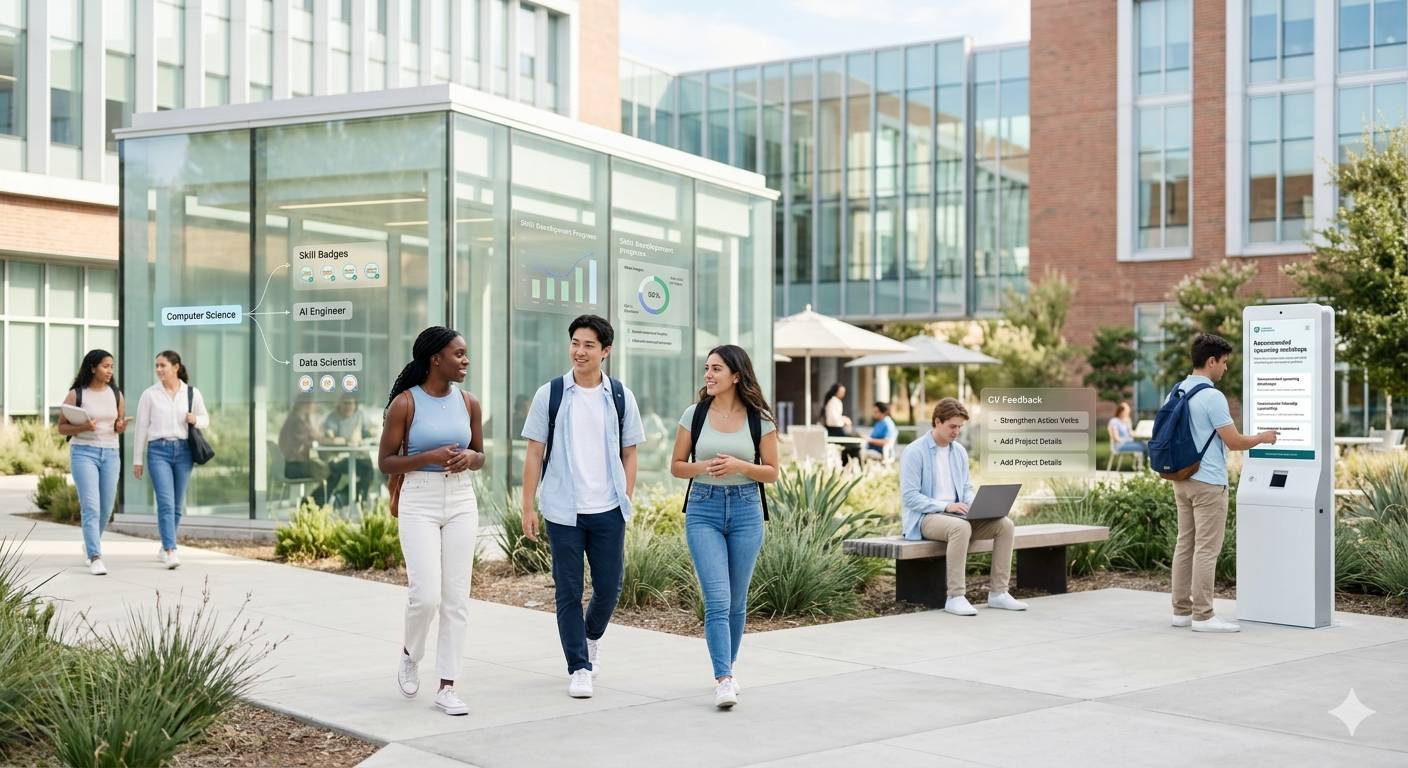
Deliver Instant CV Feedback
Students get:
- immediate analysis
- personalized suggestions
Provide Continuous Career Support
Instead of one-time sessions:
- ongoing guidance
- adaptive recommendations
Improve Accessibility
AI tools are:
- 24/7 available
- scalable
- consistent
Step 4 — Align Career Services With Employability Frameworks
Universities must align with structured frameworks such as:
👉 NACE Career Readiness Competencies
These include:
- communication
- professionalism
- critical thinking
- teamwork
Step 5 — Measure What Matters (Not Just Usage)
Beyond Appointments
Universities should track:
- skill development
- employability progress
- student readiness
Data-Driven Career Services
According to
👉 McKinsey & Company
data-driven decision making improves institutional performance.
🔗 Capabilities | McKinsey & Company
Step 6 — Implement AI Career Services Platforms
Why AI Platforms Are the Missing Layer
They allow universities to:
- scale career guidance
- increase engagement
- personalize at population level
Example: AIRA for Universities
AIRA enables:
- AI-powered CV feedback
- continuous engagement
- employability tracking
👉 This directly supports the strategies above
Step 7 — Create a Continuous Engagement Loop
Career services should not be a “one-time visit”.
Instead:
- engage early
- guide continuously
- support throughout studies
Conclusion: Engagement Is a System, Not a Campaign
Increasing career center engagement is not about:
- more workshops
- more emails
- more events
👉 It is about redesigning the system itself.
AI now makes it possible to:
- scale personalization
- embed career guidance
- improve employability outcomes
How to Increase Career Center Engagement
-
How Universities Can Use an AI Career Services Platform to Scale Student Employability
-
Why Students Don’t Use Career Services – And How AI Career Guidance Is Transforming Universities